

Nashville Real Estate Market Trends: What to Expect in 2026
- Elizabeth Story

- 2 days ago
- 5 min read
If you’ve been watching the Nashville skyline change over the last few years, you know this city doesn't sit still. But as we move through 2026, the "wild west" energy of the post-pandemic housing boom has officially evolved into something new. We are no longer in a market of frantic bidding wars and sight-unseen offers. Instead, we’ve entered what I call the "Positioning Market."
In 2026, the Nashville real estate market is defined by balance. Whether you are relocating from the West Coast or looking to upgrade your local footprint, the power dynamic has shifted. Buyers finally have the room to breathe, while sellers must be more strategic than ever.
As a broker licensed in both California and Tennessee, I’ve seen how these cycles play out. Here is exactly what you need to know about the Nashville market this year and how to navigate it like a pro.
1. The Inventory Surge: More Choice, Less Pressure
For years, the biggest hurdle for Nashville buyers was the lack of homes for sale. In 2026, that narrative has flipped. Active residential inventory in the region has hit its highest levels in over a decade, with over 11,400 units on the market.
This 13% year-over-year increase means you aren't fighting over the same three houses in Sylvan Park or 12 South. You actually have options.
The Problem: Too many options can lead to "analysis paralysis." Buyers often wait for the "perfect" home, only to miss out when someone else snaps it up. The Solution: Focus on your "must-haves" versus "nice-to-haves." Use this inventory to your advantage to negotiate on terms that weren't possible two years ago.
Takeaway: If you’ve been sitting on the sidelines, 2026 is the year to get back in. The "scarcity mindset" is officially over.
2. Pricing Stability: The End of the Double-Digit Spike
We are seeing a much-needed cooling in price appreciation. While Nashville remains a high-demand city, the days of 20% annual price jumps are behind us. Currently, single-family homes are hovering around a median price of $480,000 to $501,000.
In Davidson County, prices are higher: averaging around $735,000: but the growth is sustainable, projected at a healthy 2% to 4% for the year. This stability is a win for everyone. It allows buyers to plan their finances without fearing they’ll be priced out by next month, and it gives sellers a realistic benchmark for success.
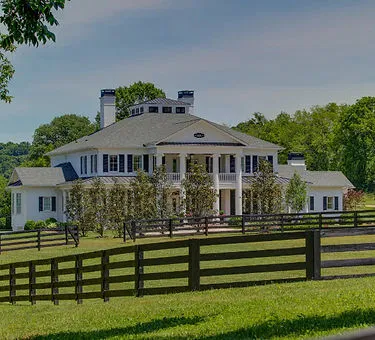
Action Step: Check out my guide on how to navigate a competitive market as a buyer to understand how to value a home accurately in this stable environment.
3. Days on Market: Patience is Your New Best Friend
One of the most significant shifts in 2026 is how long it takes to sell a home. We are currently seeing an average of 62 to 85 days on the market.
If you’re a seller, don’t panic if your home doesn't sell in the first weekend. If you’re a buyer, this is your secret weapon. A home that has been sitting for 45 days isn't necessarily a "bad" house; it’s just a symptom of a balanced market. This window gives you time for thorough inspections and thoughtful decision-making.
Tip: Use the longer "Days on Market" (DOM) as a negotiation tool. Sellers with higher DOM are often more willing to discuss repairs or price adjustments. If you're unsure how to interpret these numbers, I’ve written about how to read a real estate listing like a pro.
4. The Luxury Market Shift: Relocation and Refinement
The Nashville luxury market continues to be fueled by the "California-to-Tennessee" pipeline. For my clients relocating from places like San Diego or Los Angeles, the value proposition in Nashville remains unmatched.
In 2026, luxury buyers are looking for refined, move-in-ready estates. The "fixer-upper" trend has cooled in the high-end segment; buyers want smart homes, chef’s kitchens, and seamless indoor-outdoor living spaces. Neighborhoods like Green Hills and Belle Meade are seeing steady 4% price growth because they offer the prestige and privacy these buyers demand.
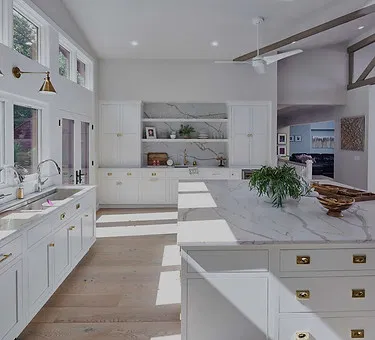
Takeaway: If you are selling a luxury property, high-end staging and professional photography are non-negotiable. You are competing with new construction that looks like a magazine spread.
5. Seller Incentives are Back on the Table
In a seller’s market, you’re lucky if the seller leaves the lightbulbs. In 2026, the tables have turned. We are seeing a massive resurgence in seller concessions.
Whether it’s a direct credit toward closing costs or a "rate buy-down" (where the seller pays to lower your mortgage interest rate), these incentives are making homeownership more accessible. Builders, in particular, are offering aggressive packages to move new inventory in areas like Gallatin and Mt. Juliet.
Problem: High-interest rates (though stabilizing) still impact monthly payments. Solution: Negotiate for a 2-1 buy-down. This reduces your interest rate for the first two years of the loan, giving you a lower payment while you wait for a potential future refinance.
Action Step: Read more about understanding closing costs to see how these credits can save you thousands at the closing table.
6. Submarket Deep Dive: Where to Invest
Nashville isn't a monolith. Different pockets of the city are telling different stories in 2026.
Crieve Hall: This neighborhood is a standout, with prices up nearly 23%. Its combination of mid-century charm and proximity to downtown keeps demand sky-high.
Gallatin & Lebanon: These areas are seeing a huge influx of inventory. While prices have dipped slightly (about 8-10% in some spots), they offer incredible value for first-time buyers and those looking for more land.
Green Hills: Still the king of luxury stability. If you want a safe bet for long-term equity, this is it.
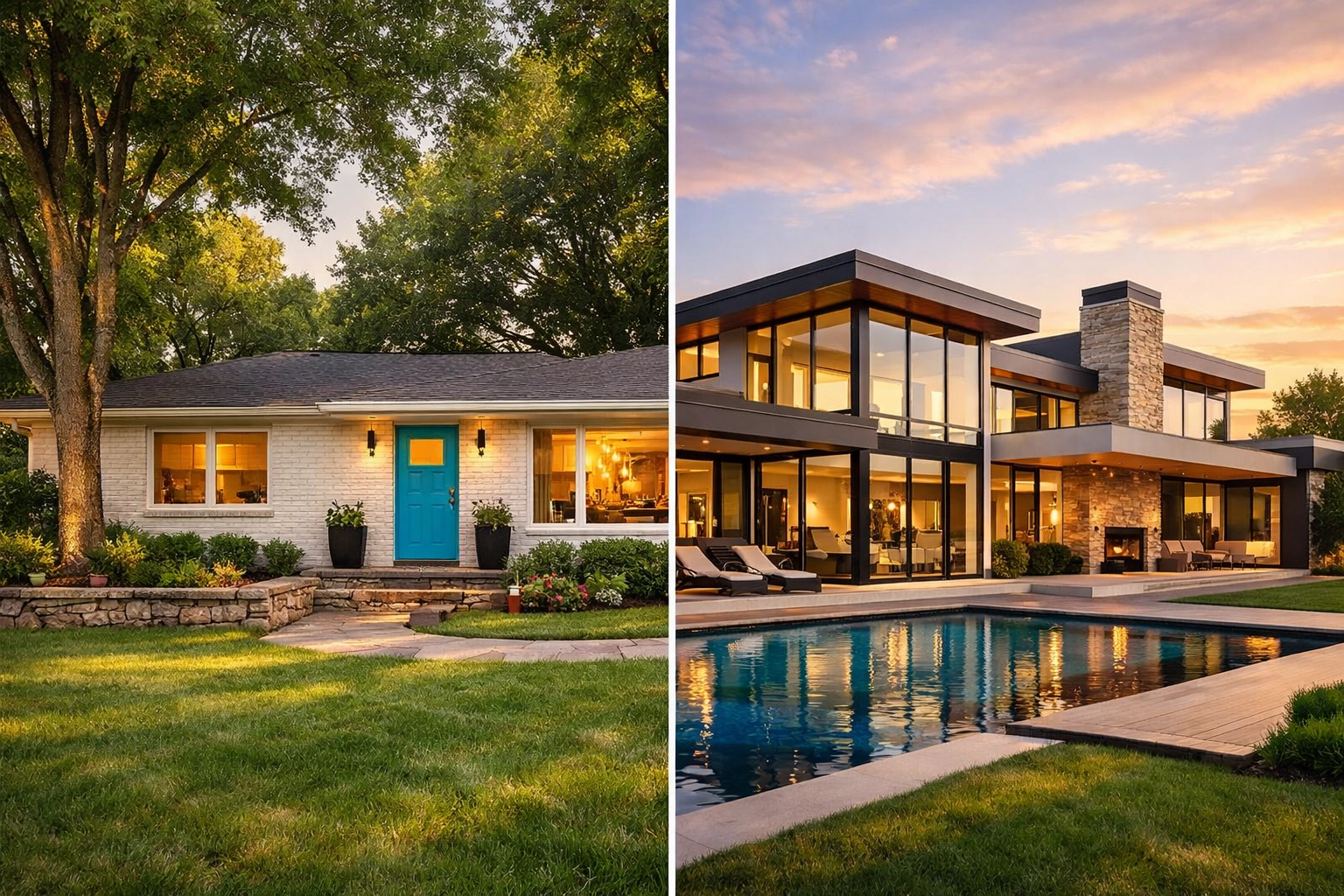
Takeaway: Don't just look at "Nashville" data. Look at the specific zip code. Your strategy in East Nashville should look very different from your strategy in Hendersonville.
7. The Tennessee Advantage: Why People Still Move Here
The "Why Nashville?" question is easier to answer than ever in 2026. Beyond the music and the food, the economic drivers are robust.
No State Income Tax: This remains the #1 driver for my West Coast relocation clients.
Job Diversification: With major hubs in healthcare, tech, and entertainment, Nashville’s economy is more resilient than many other mid-sized cities.
Lifestyle: The "Modern Rustic" aesthetic: homes that blend high-end luxury with the natural beauty of the Tennessee hills: is the defining style of 2026.
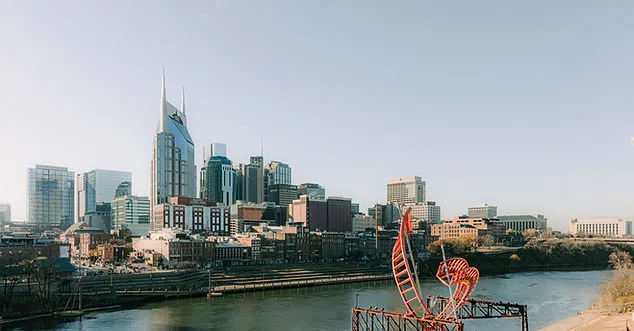
Takeaway: People aren't just moving here for a house; they are moving here for a lifestyle. This keeps the floor on property values very solid.
Final Thoughts
The 2026 Nashville real estate market is a breath of fresh air for those who felt pushed out during the 2021-2024 frenzy. It’s a market that rewards patience, preparation, and professional guidance.
For buyers, you have the inventory and the leverage to find a home that truly fits your life. For sellers, you have a deep pool of qualified buyers, provided your home is priced correctly and presented beautifully.
Whether you're looking to sell a Southern estate or you're planning a move from California to the rolling hills of Tennessee, I’m here to help you navigate these trends. The market has changed, and your strategy should, too.
Ready to find your place in the Music City? If you have questions about a specific neighborhood or want to know what your home is worth in today’s "Positioning Market," let's chat. Send me a message or browse our latest listings to see what’s possible in 2026.
Comments